 ENG
ENG

 Castelo Branco Castle
Castelo Branco, Portugal, Portugal
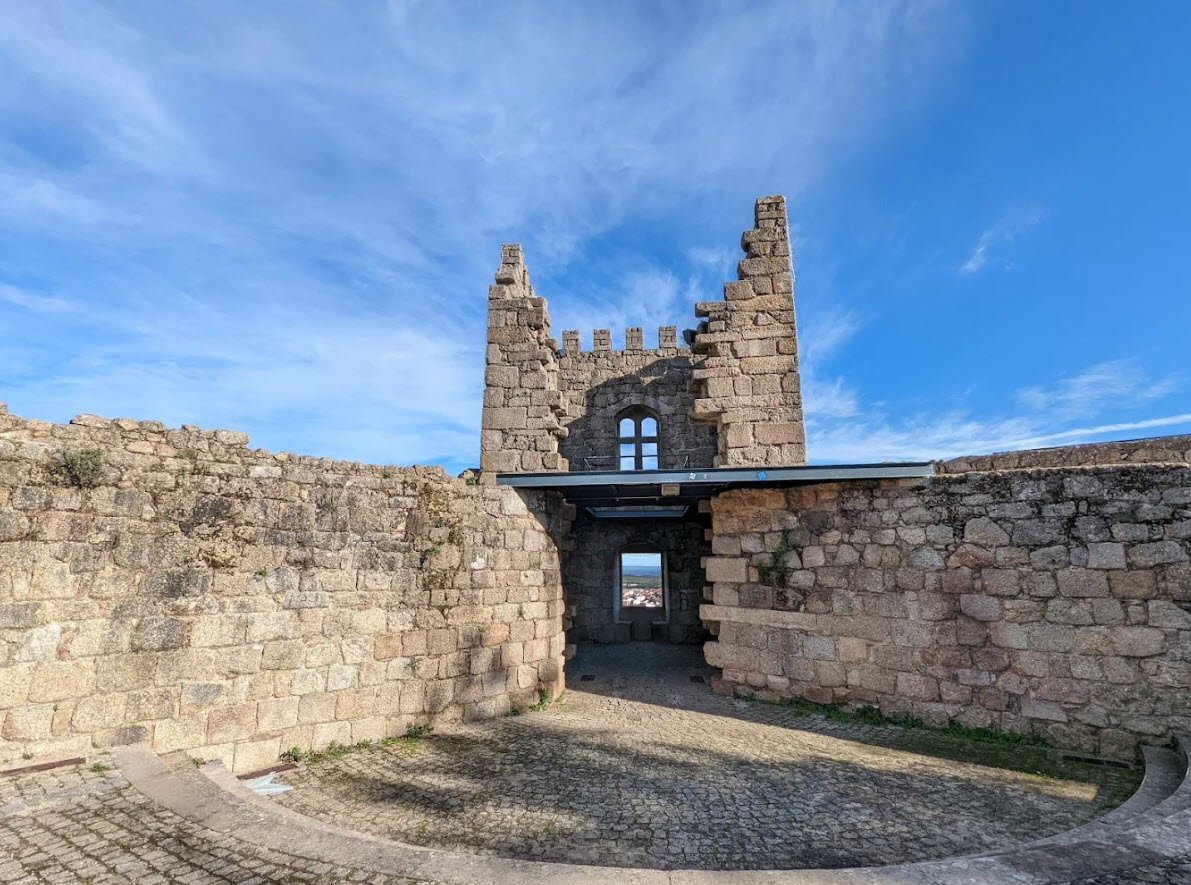
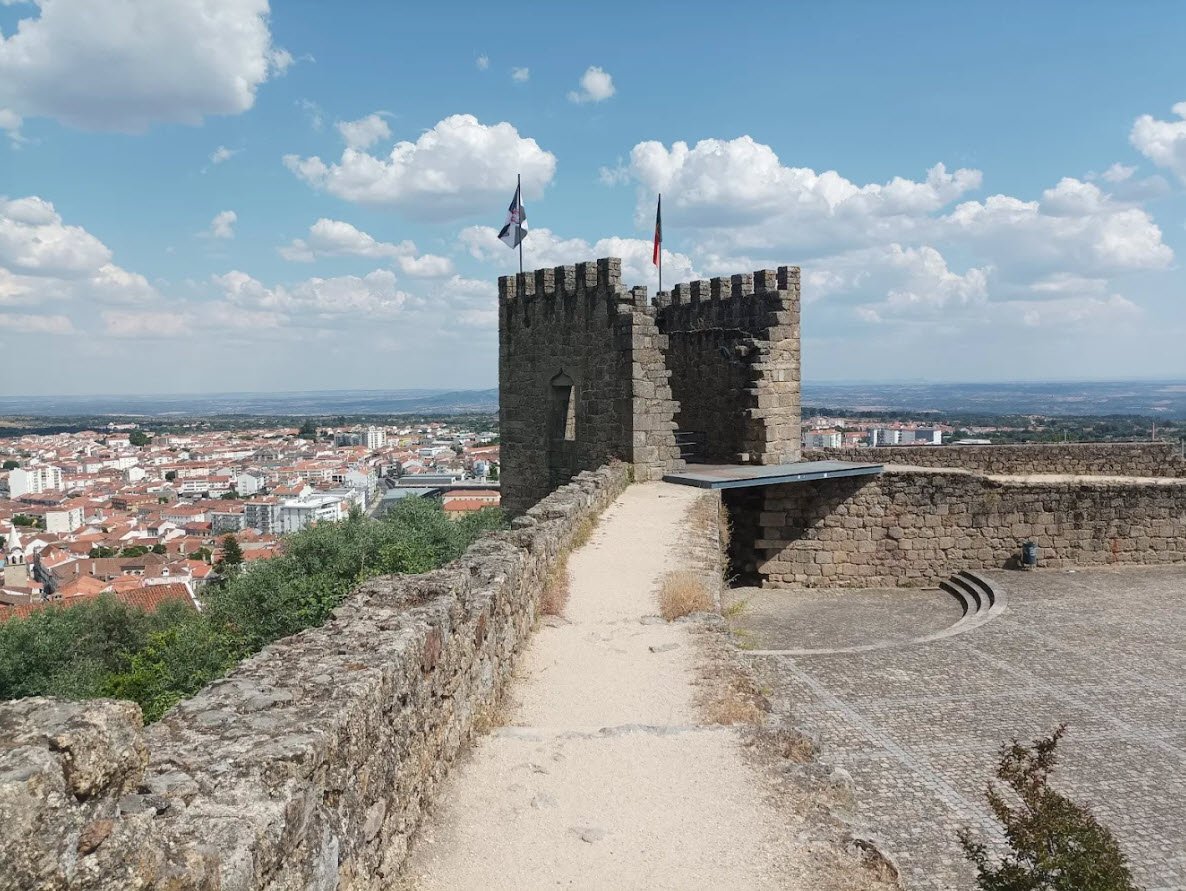
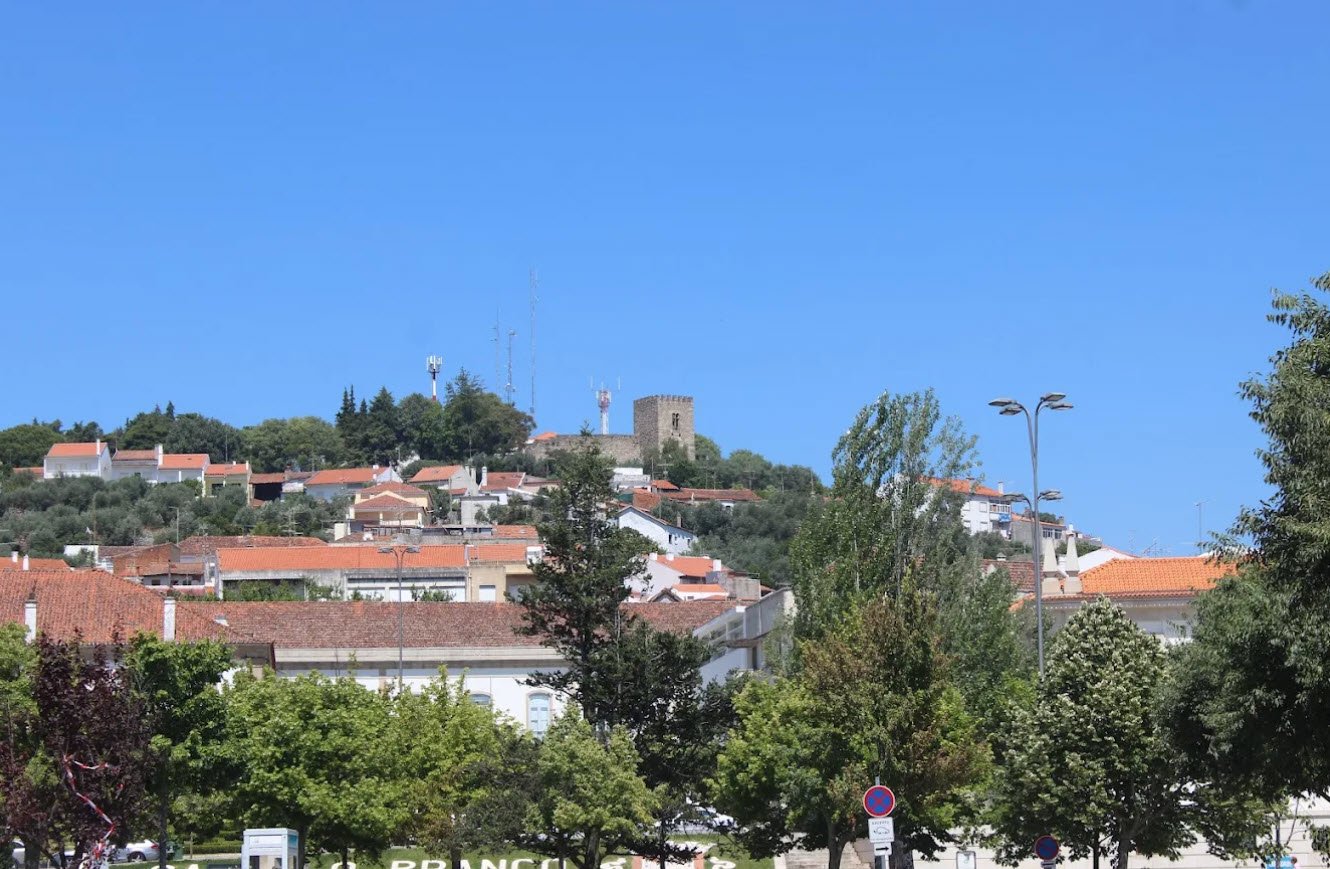
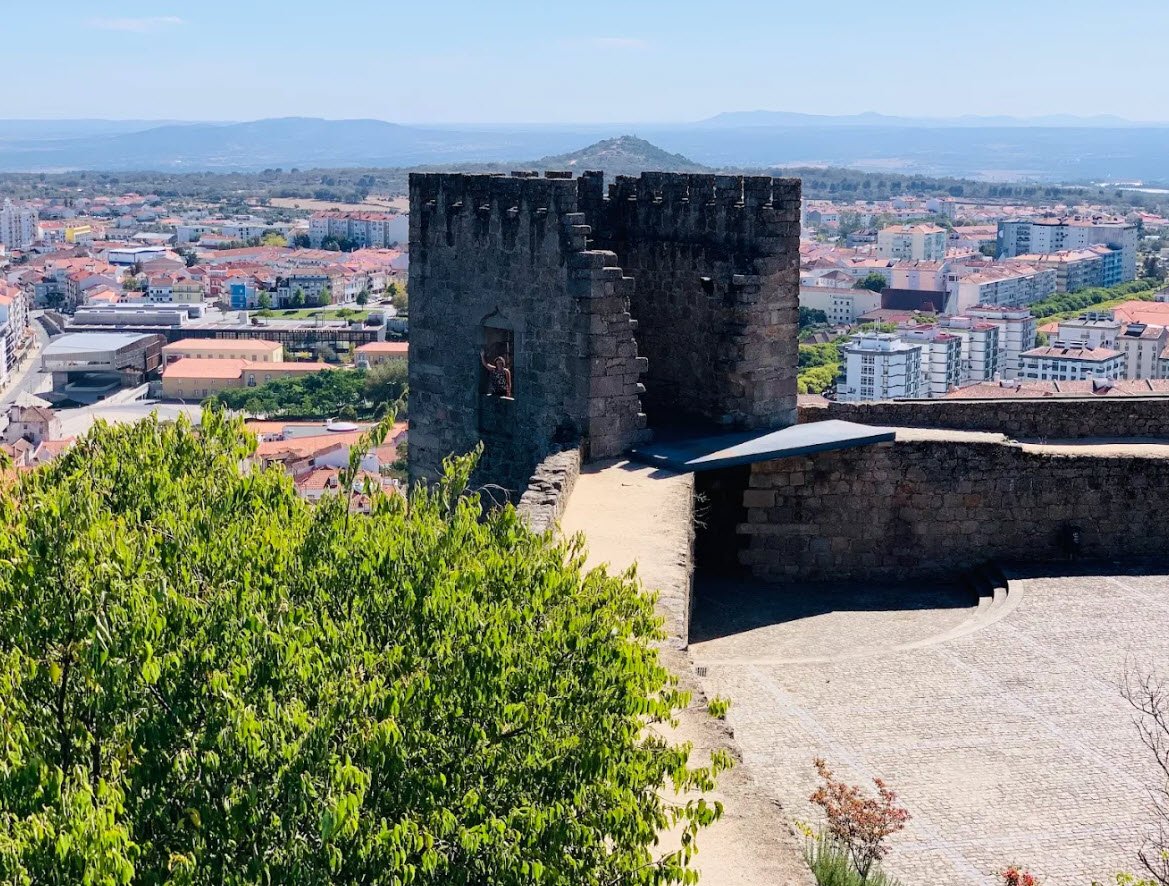
Castelo Branco Castle is a medieval fortress in Castelo Branco, east-central Portugal, constructed around 1214 under King Afonso II, likely by the Knights Templar on prehistoric settlement remains.
Expanded in the late 13th century by King Dinis with a polygonal keep tower, additional gates like the Golden Gate and Traitors' Gate, and a second curtain wall forming seven entrances, it exemplified the Tagus defensive line alongside castles like Almourol and Monsanto.
In the 16th century, the Order of Christ added the castellated Paço dos Comendadores palace as depicted by Duarte d'Armas, blending Romanesque, Gothic, and later styles until decline from erosion and urban growth left ruins including wall fragments and the integrated tower base, now a national monument offering city views.
Location
6000-108 Castelo Branco, Portugal
Detecting your current location...
Frequently Asked Questions
Castelo Branco Castle is located in Castelo Branco, Portugal, Portugal.
We list a wide range of destinations, including but not limited to: Beaches, Lakes, Temples, Museums, National Parks, Historical Landmarks, Mountains, Zoos, World Heritage Sites.
Yes, we strive to provide accurate and regularly updated information by researching verified sources, official tourism websites, and local insights.
Absolutely! You can browse places by: Country, Location, Category (e.g., waterfalls, temples, etc.), Popular attractions.
Yes, for many popular destinations, we include travel tips such as: Best time to visit, Entry fees (if any), Nearby attractions, Accessibility and safety information.
Yes, Fabplaces.com is completely free for all users to explore and discover amazing destinations across the globe.
Yes! We welcome suggestions. You can use our Contact Us page to recommend a place we might have missed, and our team will review and add it if appropriate.
 Portugal
Want To Advertise?

You might also like

Loano
Italy

Taylor Memorial Arboretum
United States
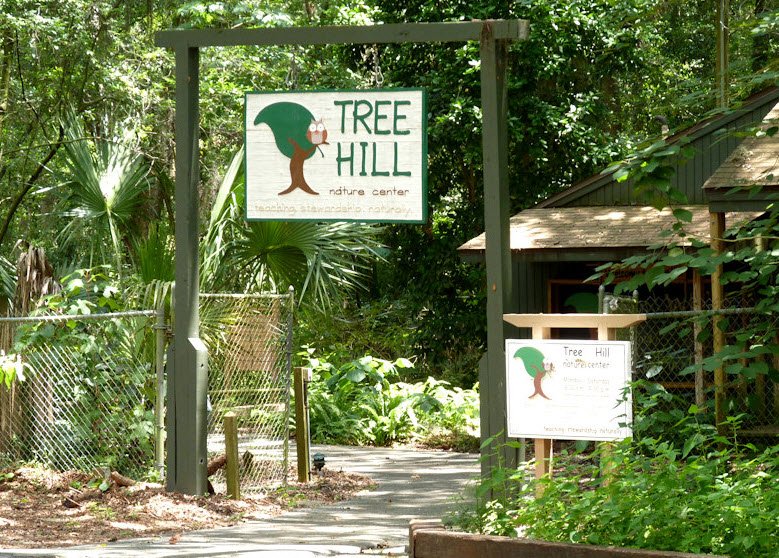
Tree Hill Nature Center
United States

Como Park Zoo and Conservatory
United States


Leave a comment