 ENG
ENG

 Castelo de Santiago do Cacém
Portugal, Portugal
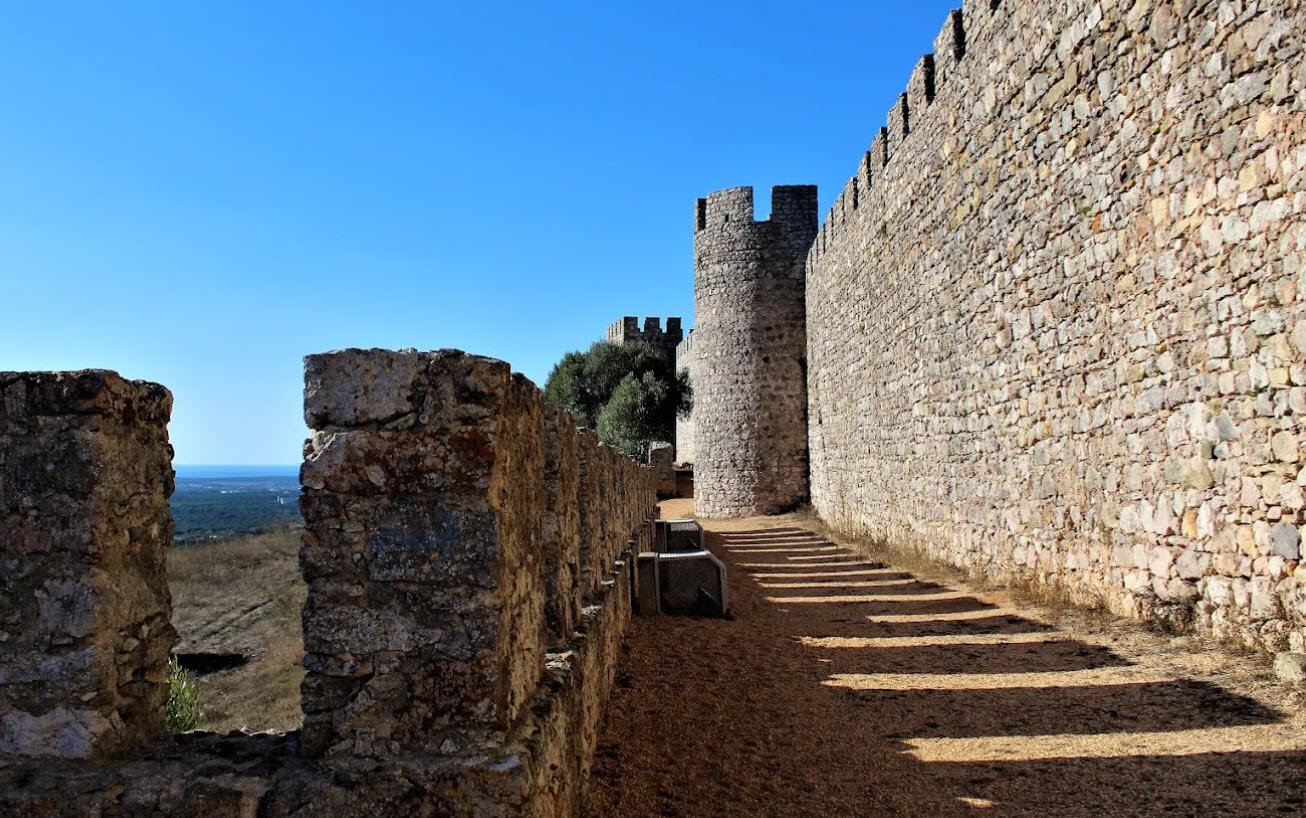
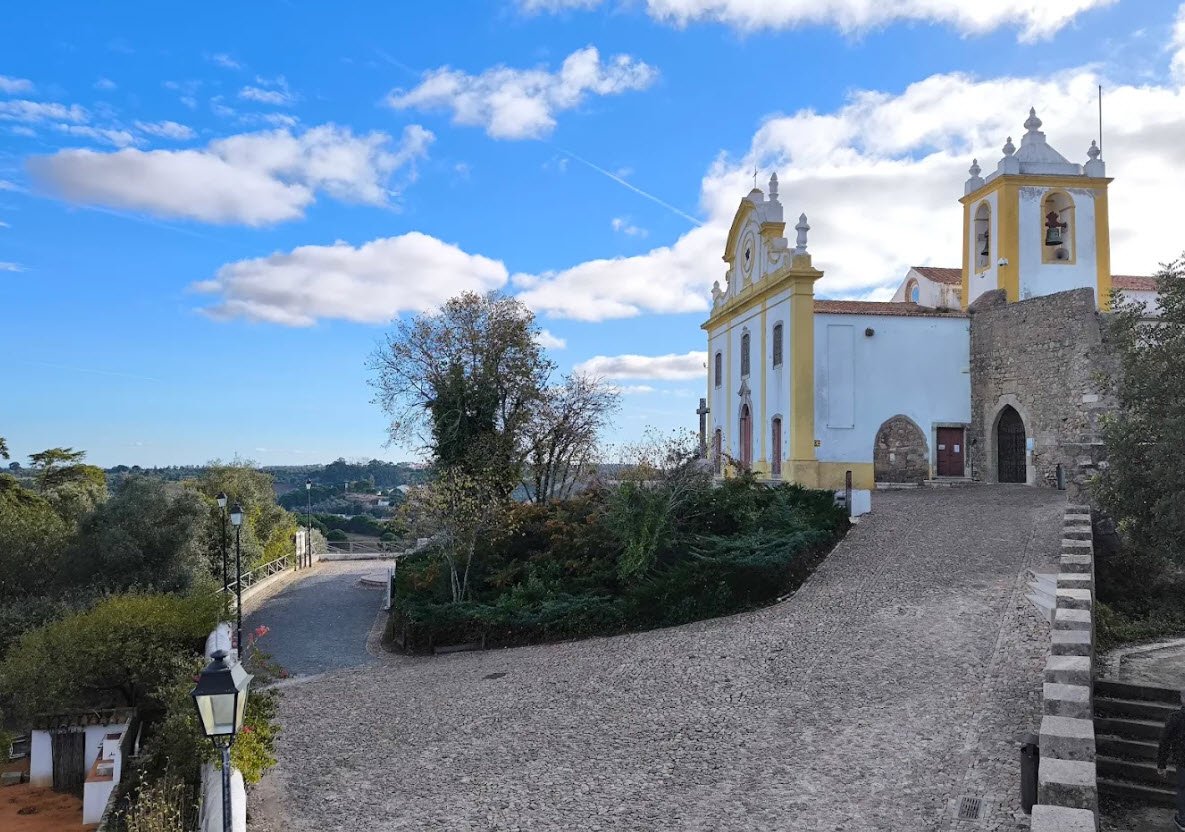
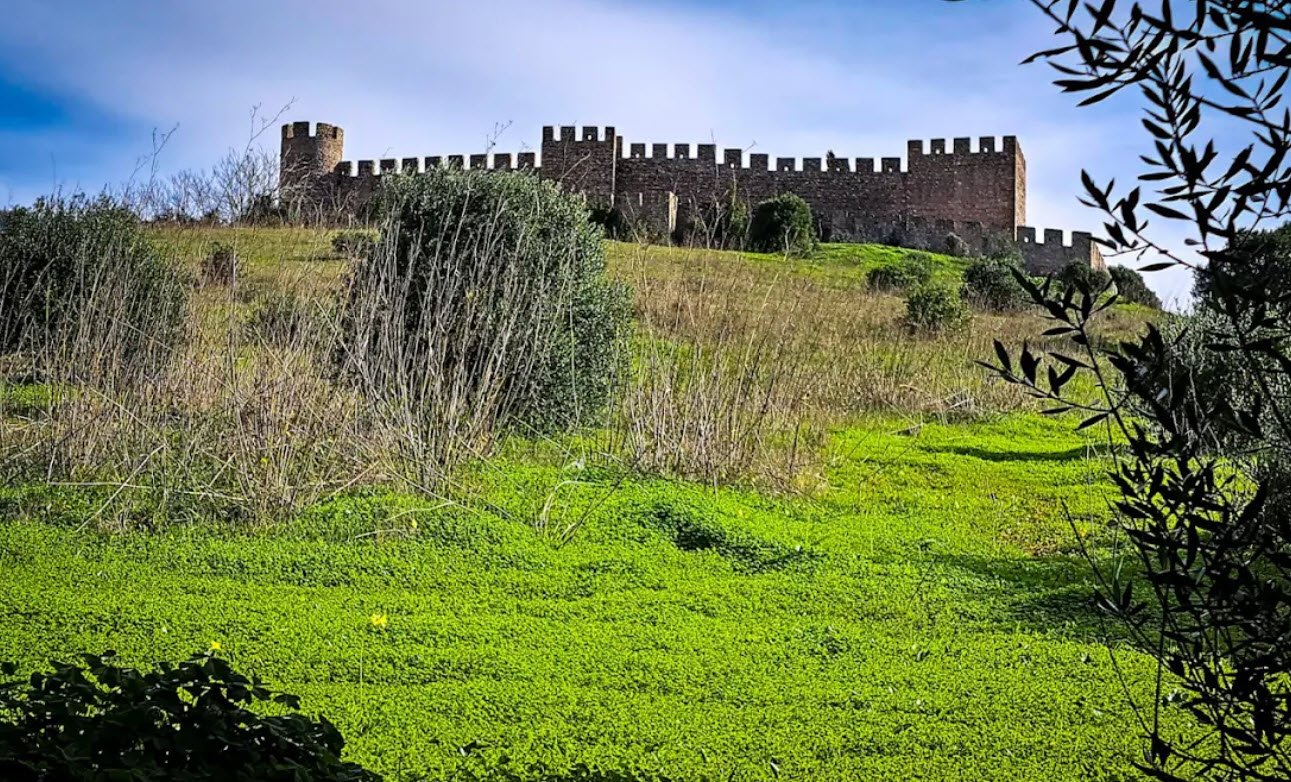
Castelo de Santiago do Cacém in Santiago do Cacém, Portugal, was originally built by the Moors around the 8th century on a hilltop site overlooking ancient Roman Miróbriga, serving as a strategic stronghold known as Kassen during Islamic rule.
First captured by Christian forces under Afonso I in 1157 amid the Reconquista, retaken by Almohads in 1191, it became definitively Portuguese in 1217 under Afonso II, who donated it to the Order of Santiago for rebuilding with robust walls, ten square towers, semi-cylindrical turrets, and crenellated battlements protecting the village.
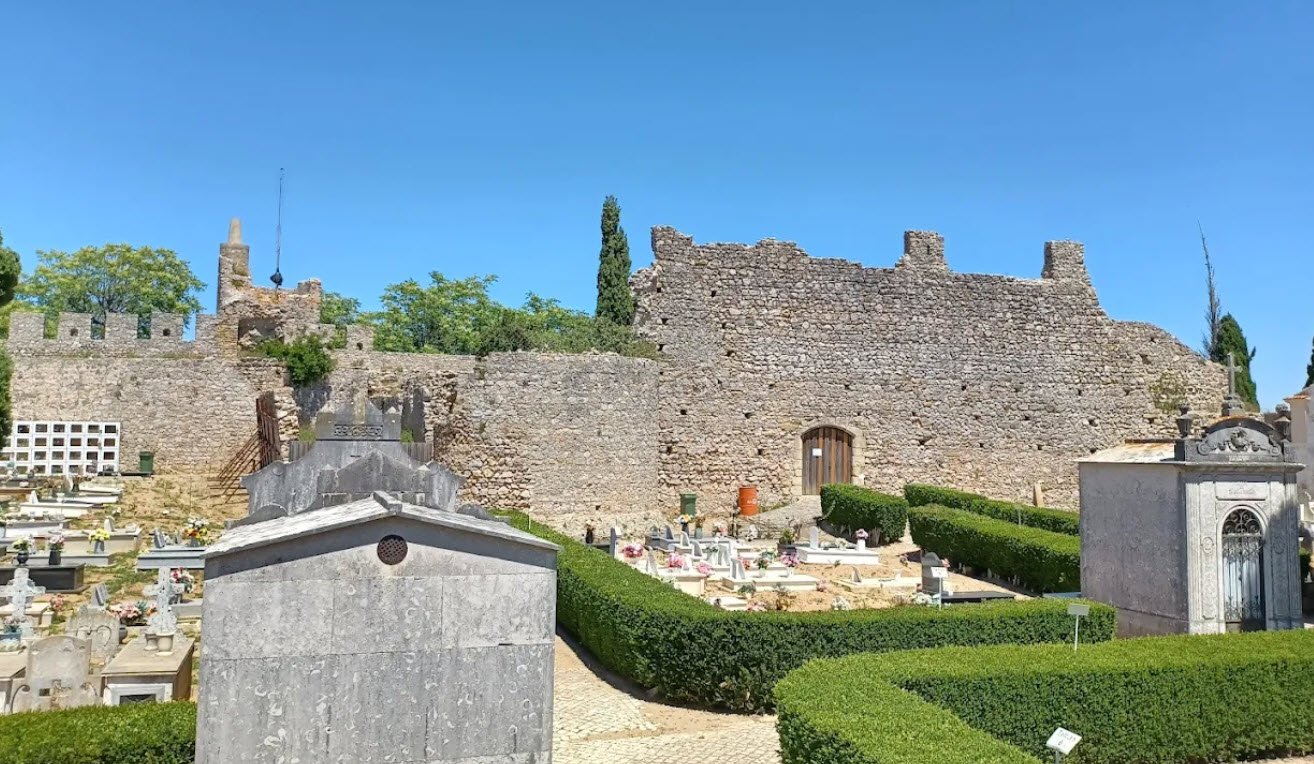
Losing military relevance after the 17th-century Restoration War, it fell into ruin—serving briefly as a cemetery—before restoration as a National Monument in 1910, now offering panoramic views amid Alentejo's coastal plains.
Location
7540-194 Santiago do Cacém, Portugal
Detecting your current location...
Frequently Asked Questions
Castelo de Santiago do Cacém is located in Portugal, Portugal.
We list a wide range of destinations, including but not limited to: Beaches, Lakes, Temples, Museums, National Parks, Historical Landmarks, Mountains, Zoos, World Heritage Sites.
Yes, we strive to provide accurate and regularly updated information by researching verified sources, official tourism websites, and local insights.
Absolutely! You can browse places by: Country, Location, Category (e.g., waterfalls, temples, etc.), Popular attractions.
Yes, for many popular destinations, we include travel tips such as: Best time to visit, Entry fees (if any), Nearby attractions, Accessibility and safety information.
Yes, Fabplaces.com is completely free for all users to explore and discover amazing destinations across the globe.
Yes! We welcome suggestions. You can use our Contact Us page to recommend a place we might have missed, and our team will review and add it if appropriate.
 Portugal
Want To Advertise?

You might also like

Loano
Italy

Taylor Memorial Arboretum
United States
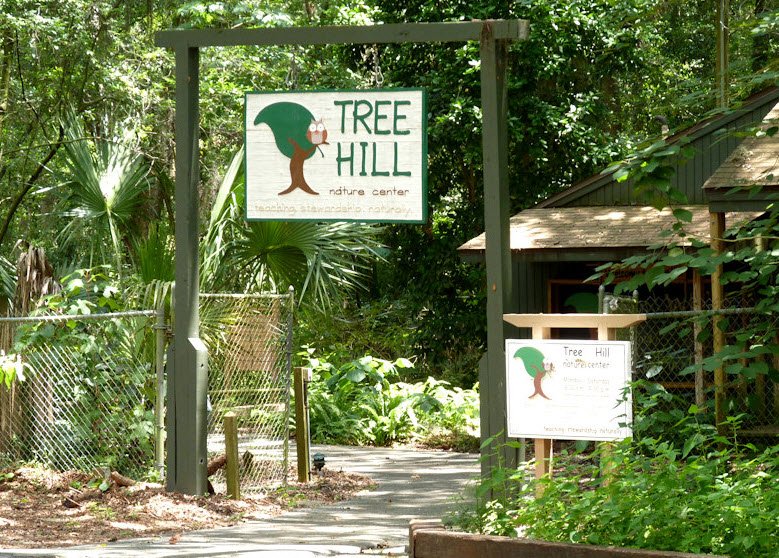
Tree Hill Nature Center
United States

Como Park Zoo and Conservatory
United States


Leave a comment