ENG
ENG

 Alex Martin
 Did Japan Ban Israeli Tourists? Here's What the Facts Show
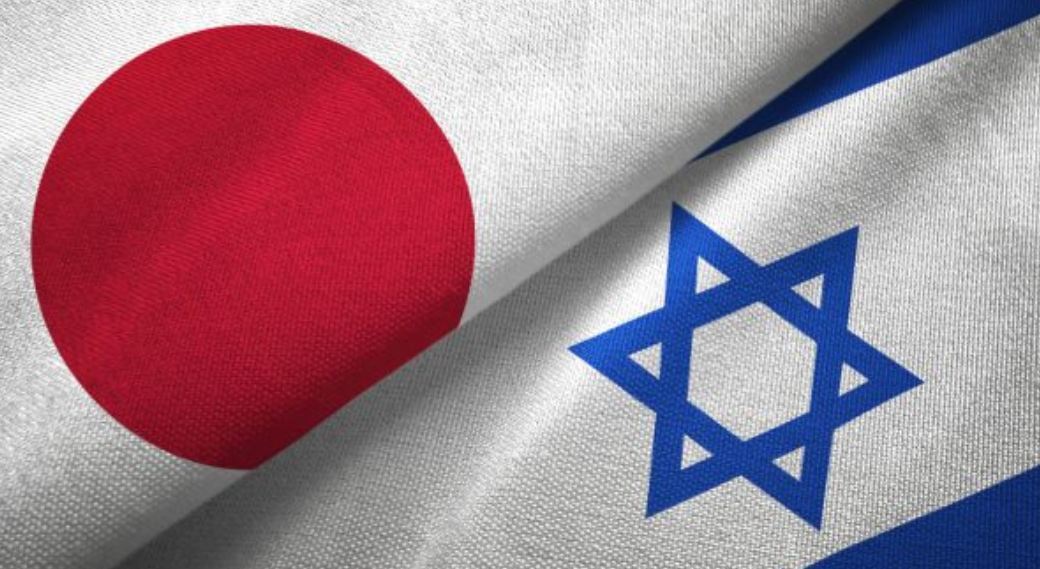
A viral claim circulating online has alleged that Japan has completely banned Israeli tourists from entering the country. However, available evidence from official Japanese government sources, embassy information, and multiple independent fact-checks shows that this claim is false. As of late September 2026, there is no official Japanese policy banning Israeli citizens from visiting Japan.
What the Claim Says
Posts shared widely on social media in September 2026 claimed that Japan had "officially banned Israeli tourists from entering the country." The allegation spread rapidly across platforms amid heightened international tensions related to the ongoing conflict in Gaza.
However, fact-checking organizations reviewing the claim found no evidence of a nationwide entry ban, no government announcement supporting it, and no credible news reports confirming such a policy.
Japan's Ministry of Foreign Affairs continues to list Israel among the countries whose citizens are eligible for visa-exempt short-term visits to Japan. This means Israeli passport holders can still travel to Japan for temporary stays under the country's regular entry rules, subject to standard immigration screening.
Information published by the Japanese Embassy in Israel also continues to state that Israeli travelers may enter Japan as temporary visitors for short-term stays under existing visa exemption arrangements.
In addition, reviews of official communications from both the Israeli Embassy in Japan and the Japanese Embassy in Israel found no announcements regarding a ban on Israeli tourists.
Where the Rumor Appears to Have Come From
The false claim appears to have been fueled in part by several isolated incidents involving hotels in Japan.
One widely reported case occurred in Nagano Prefecture in 2025, where a hotel operator refused accommodations connected to Israeli tourists. Following an investigation, local authorities determined that the refusal could be viewed as discrimination based on nationality and issued a warning to the hotel operator. The Israeli Embassy in Japan formally protested the incident.
Another case involved a hotel in Kyoto that reportedly imposed unusual conditions on an Israeli guest. Japanese authorities intervened, and the incidents were treated as individual cases rather than government policy.
Fact-checkers noted that these isolated events may have been mistakenly presented online as evidence of a nationwide immigration ban, even though no such policy exists.
Japan's Hotel Business Act limits the circumstances under which hotels can refuse lodging. The law permits refusals only under specific conditions, such as public health concerns or other narrowly defined circumstances. Fact-checkers examining the recent claims noted that the legislation does not provide a basis for blanket nationality-based exclusions.
Recent Protests Added to the Confusion
The rumor also spread during a period of public demonstrations in Japan criticizing Israeli military actions in Gaza. While some protest groups called for stronger diplomatic measures against Israel, there is no evidence that these demonstrations resulted in changes to Japan's immigration or tourism policies.
Japan and Israel continue to maintain diplomatic relations, and no official Japanese government announcement has indicated plans to prohibit Israeli visitors from entering the country.
As of October 2026, Israeli citizens remain eligible for visa-exempt short-term travel to Japan under the country's published policies. Travelers, as with all foreign visitors, remain subject to normal immigration checks at ports of entry, but there is no confirmed nationwide ban targeting Israeli tourists.
Conclusion
The headline claiming that Japan has "completely banned Israeli tourists from entering the country" is inaccurate. Official government information, embassy guidance, and multiple independent fact-check investigations all indicate that no such ban exists. The claim appears to stem from misinformation amplified online and confusion surrounding several isolated hotel-related incidents rather than any change in Japanese immigration policy.
Comments
Comments are closed.