ENG
ENG


 David
David Top 10 Tallest Buildings in the World (2026)
Skyscrapers are more than just tall structures - they are symbols of innovation, economic power, and architectural brilliance. Over the past few decades, rapid urbanization and technological advancement have led to the construction of some of the tallest buildings in the world. These iconic towers redefine skylines and push the limits of engineering.
In this article, we explore the top 10 tallest buildings in the world (measured in meters), based on data from the Council on Tall Buildings and Urban Habitat (CTBUH).
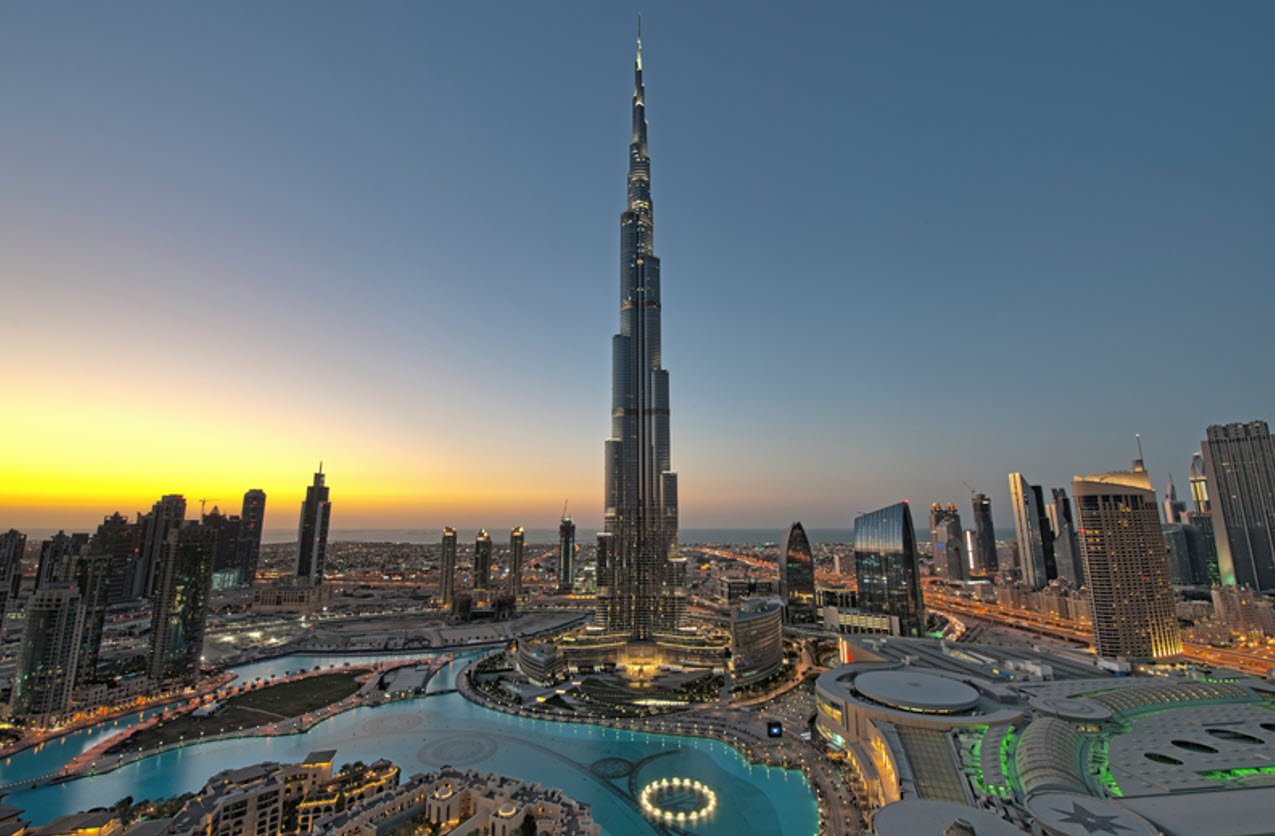
1. Burj Khalifa (828 m) - Dubai, UAE
The Burj Khalifa stands as the tallest building in the world at a staggering 828 meters. Located in Dubai, this architectural masterpiece has held its record since its completion in 2010.
Designed by Adrian Smith, the tower features a unique Y-shaped structure inspired by Islamic architecture. It houses residential apartments, offices, luxury hotels, and observation decks offering breathtaking views of Dubai.
2. Merdeka 118 (678.9 m) - Kuala Lumpur, Malaysia
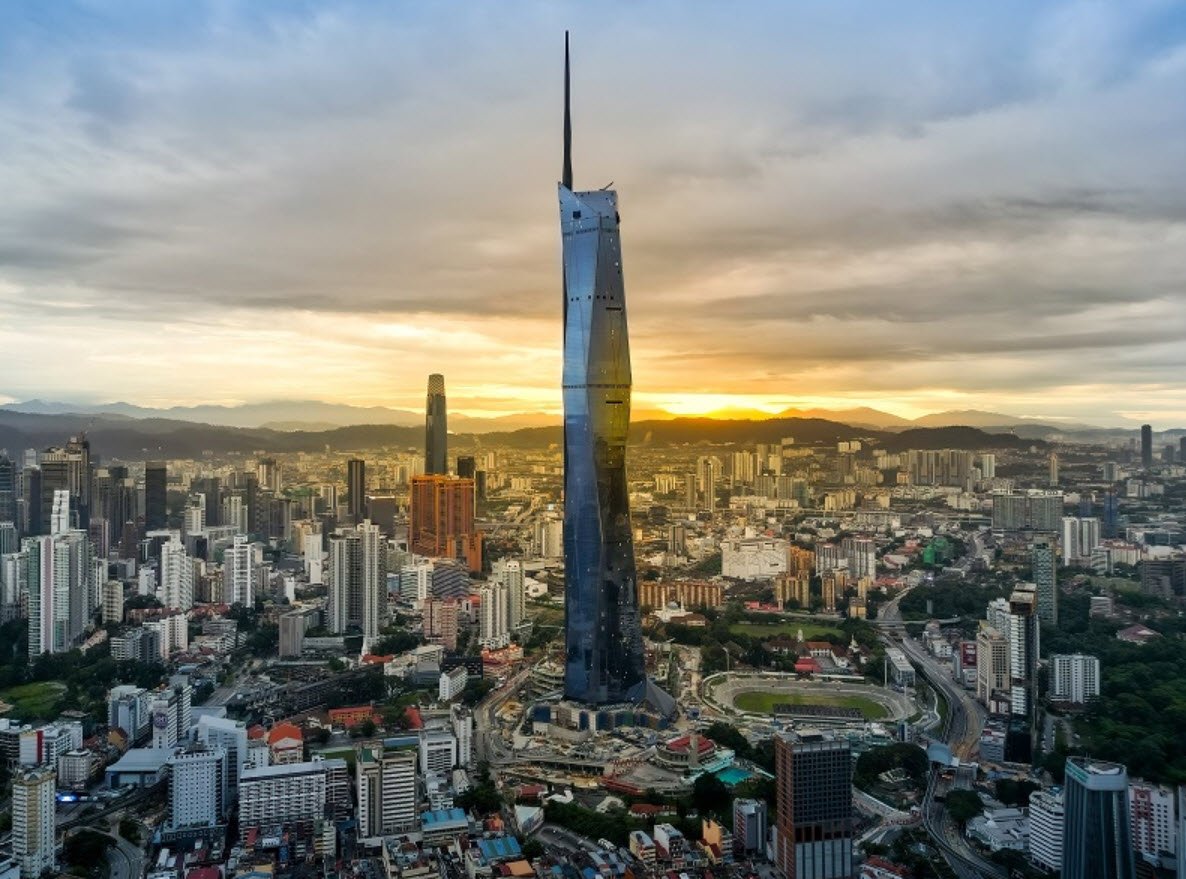
The Merdeka 118 is the second tallest building globally, reaching 678.9 meters. Located in Kuala Lumpur, this skyscraper symbolizes Malaysia’s independence and future growth.
Its diamond-shaped façade and modern design make it one of the most visually striking towers in the world. The building includes offices, a luxury hotel, and observation decks.
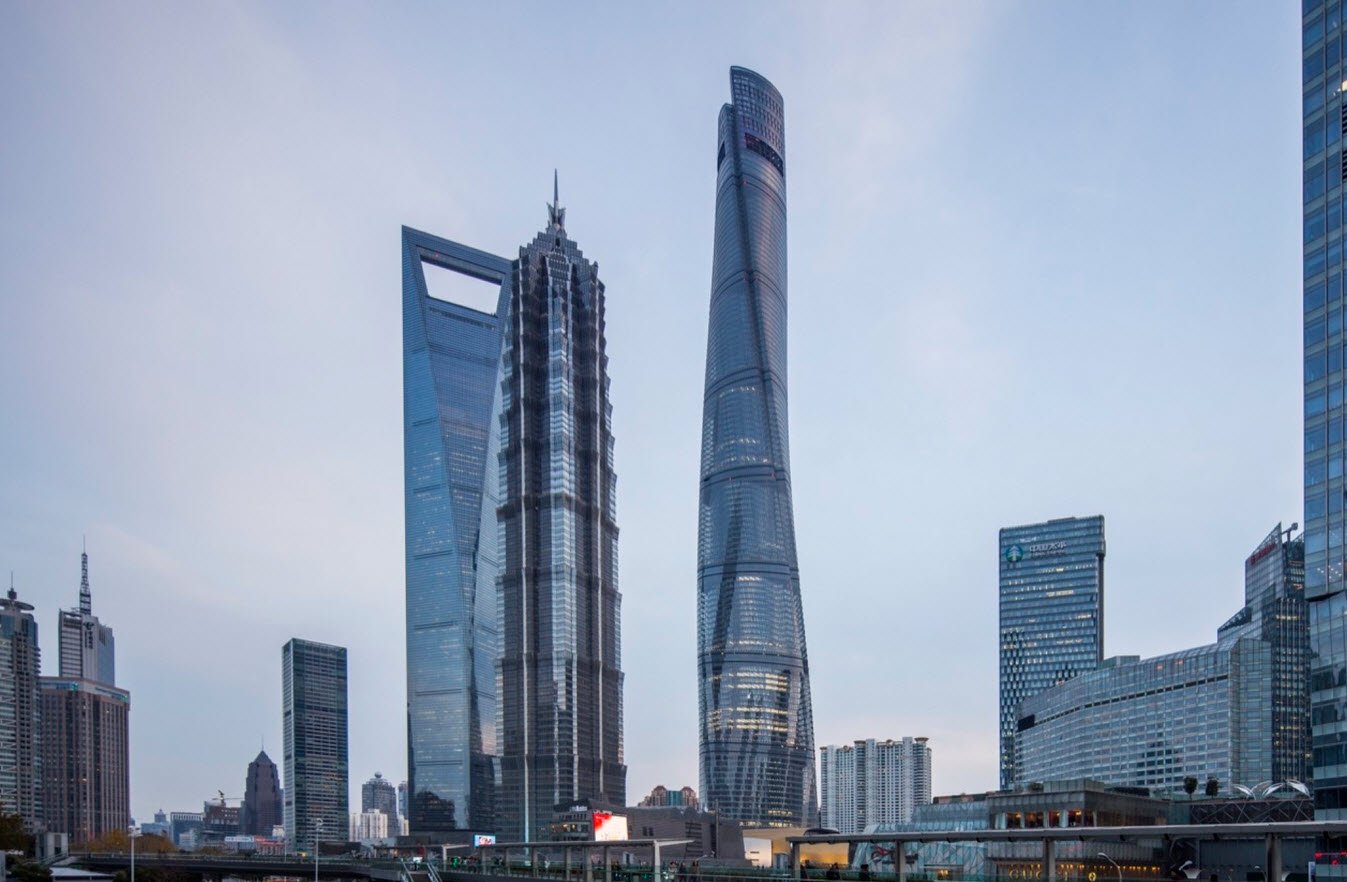
3. Shanghai Tower (632 m) - Shanghai, China
The Shanghai Tower, standing at 632 meters, is known for its elegant twisting design that reduces wind load. It is China’s tallest building and a global icon of sustainable architecture.
The tower incorporates green technologies such as wind turbines and rainwater recycling systems, making it one of the most environmentally friendly skyscrapers.
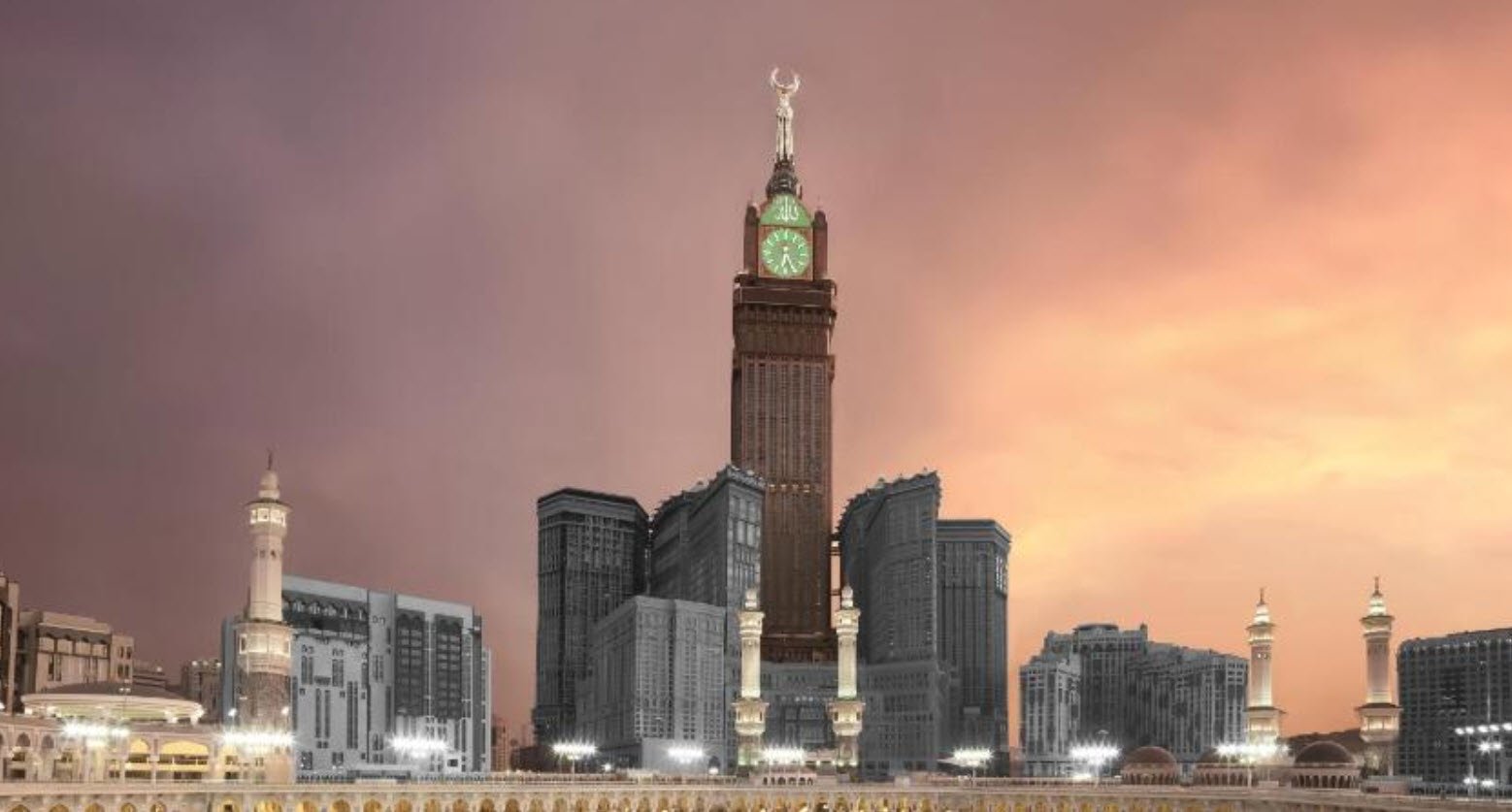
4. Makkah Clock Royal Tower (601 m) - Mecca, Saudi Arabia
The Makkah Clock Royal Tower, also known as Abraj Al-Bait, rises 601 meters above the holy city of Mecca. It features the world’s largest clock face and serves as a central landmark for pilgrims visiting the Kaaba.
This tower combines religious significance with modern luxury, housing hotels, shopping areas, and prayer facilities.
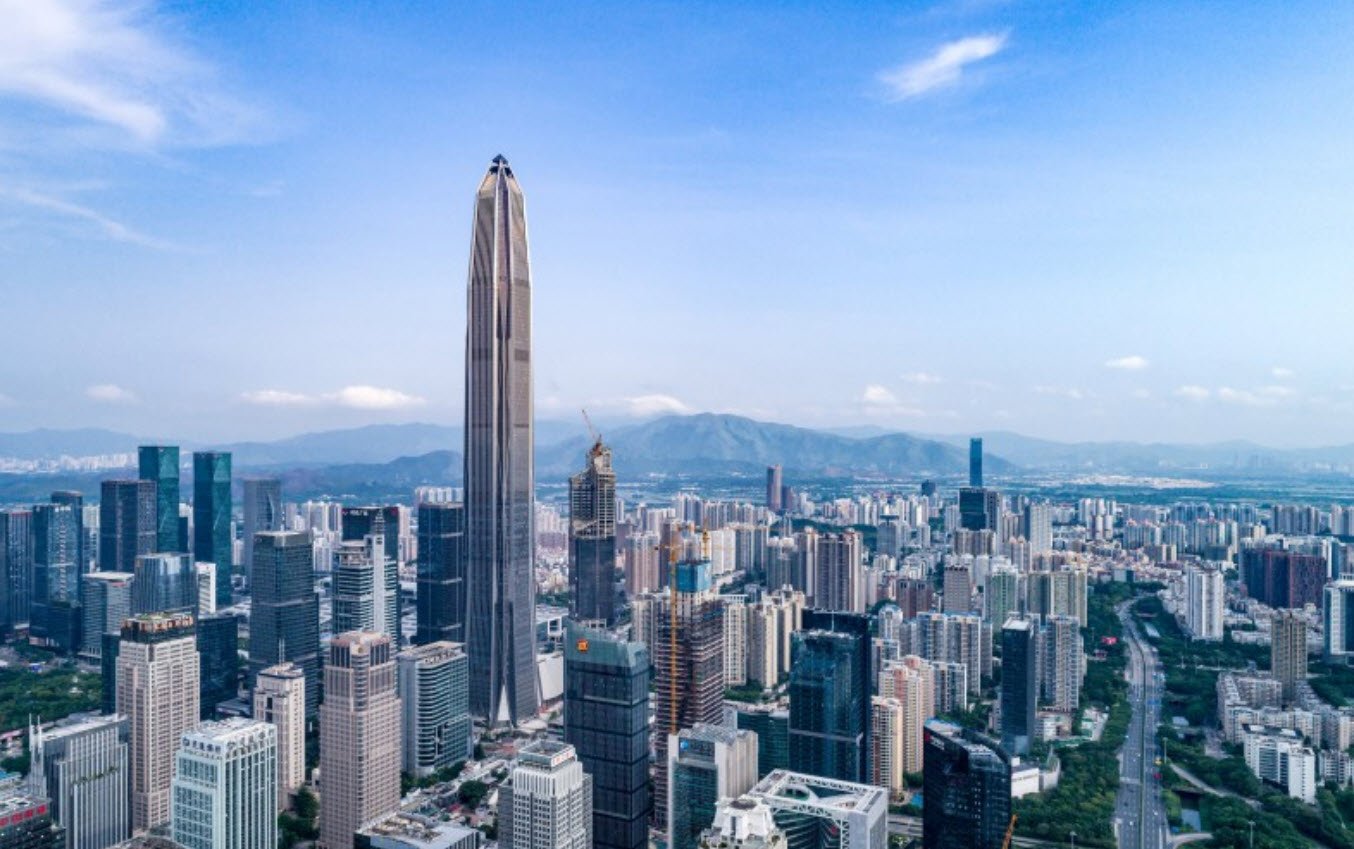
5. Ping An Finance Center (599.1 m) - Shenzhen, China
The Ping An Finance Center stands at 599.1 meters and is one of the tallest office buildings globally. Located in Shenzhen, it reflects China’s rapid economic growth.
Its sleek, stainless-steel façade gives it a futuristic look, and it is primarily used for offices, including the headquarters of Ping An Insurance.
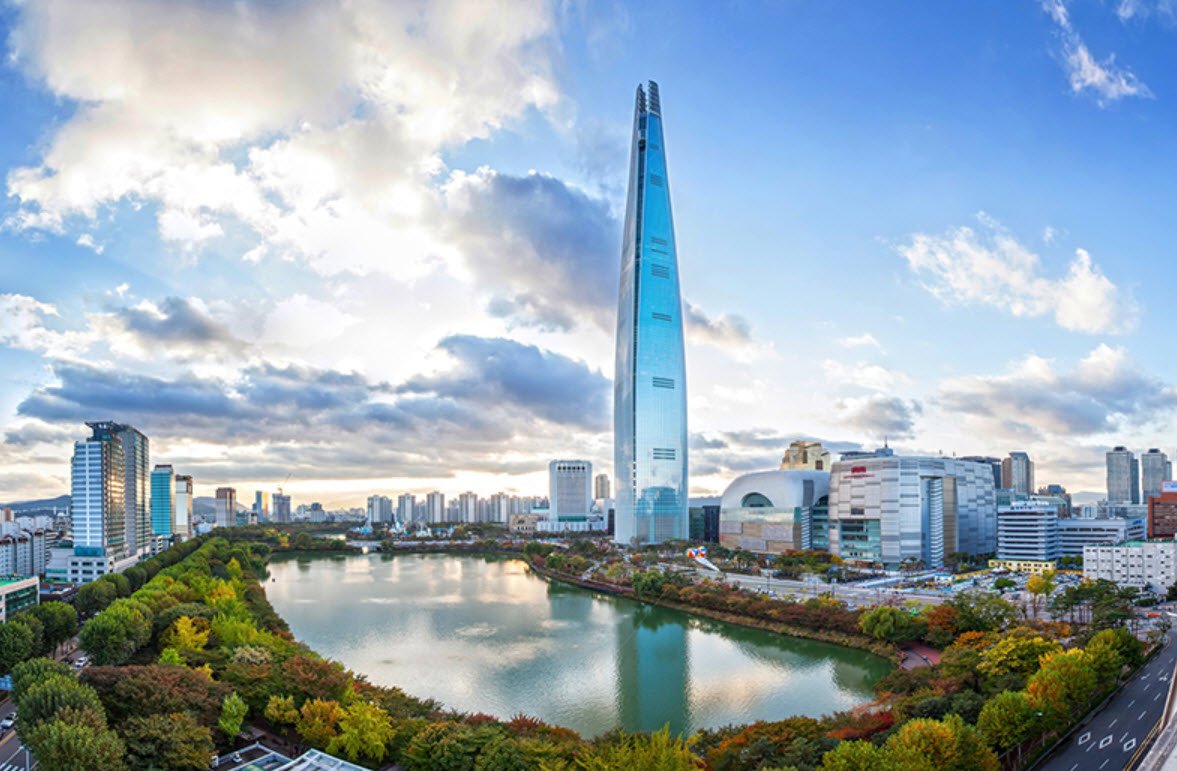
6. Lotte World Tower (554.5 m) - Seoul, South Korea
At 554.5 meters, the Lotte World Tower dominates Seoul’s skyline. Inspired by traditional Korean art forms, its sleek and tapered design blends culture with modernity.
The tower includes retail spaces, offices, luxury residences, and one of the highest observation decks in the world.
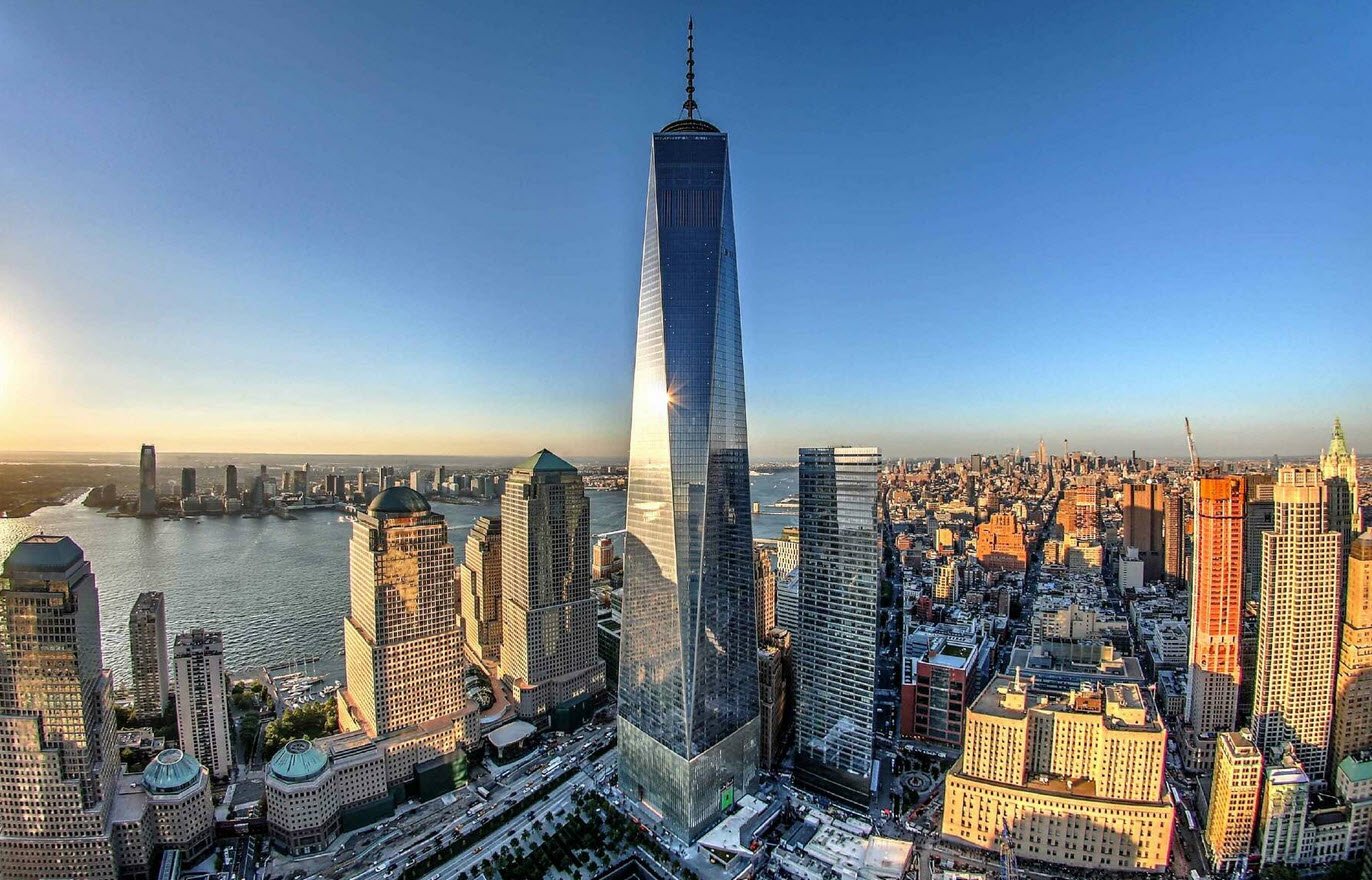
7. One World Trade Center (541.3 m) - New York, USA
The One World Trade Center, standing at 541.3 meters, is the tallest building in the United States. Built on the site of the original Twin Towers, it symbolizes resilience and renewal.
It features advanced safety systems and a stunning observatory offering panoramic views of New York City.
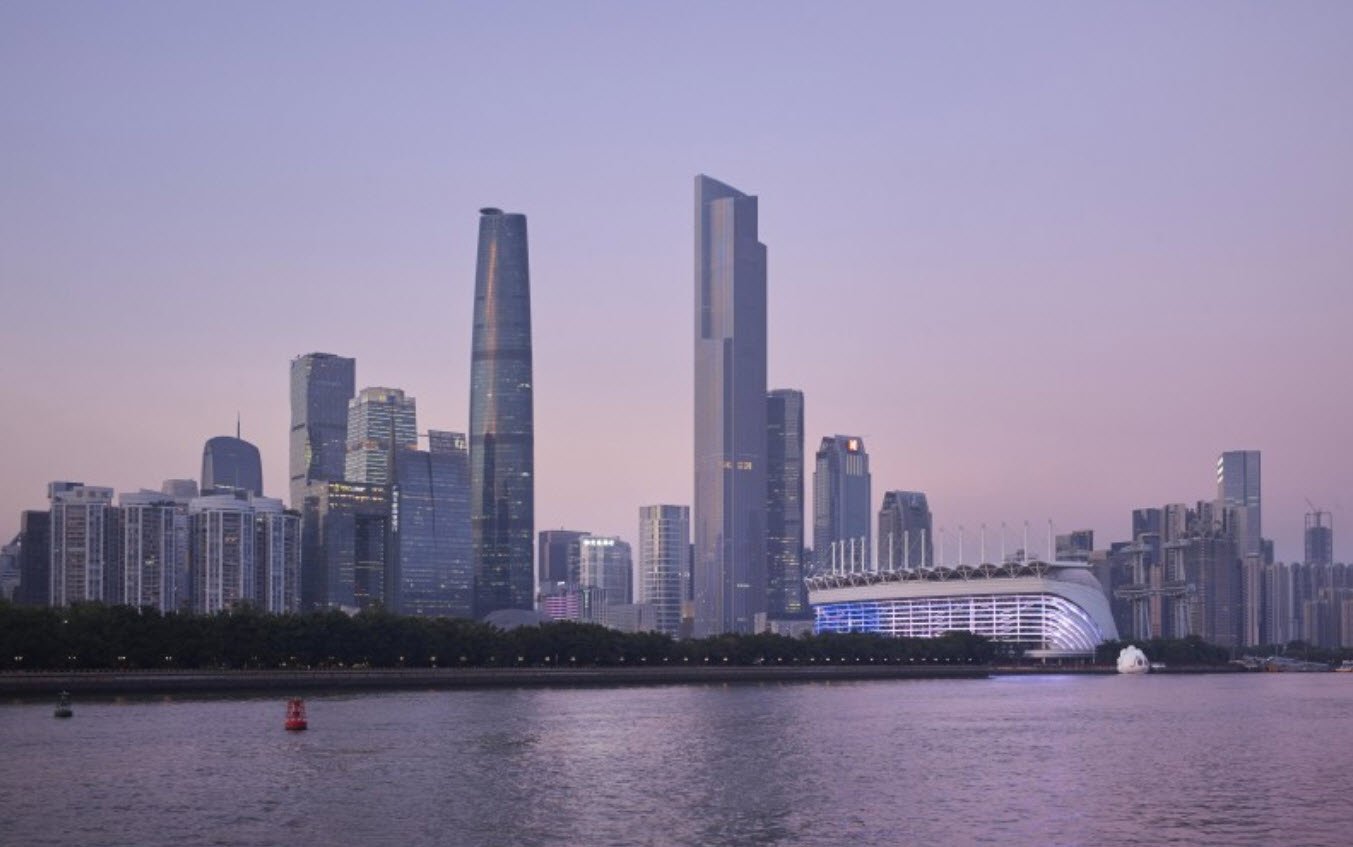
8. Guangzhou CTF Finance Centre (530 m) - Guangzhou, China
The Guangzhou CTF Finance Centre reaches 530 meters and is a mixed-use skyscraper featuring offices, residences, and a luxury hotel.
Its high-speed elevators and modern design make it one of the most advanced buildings in China.
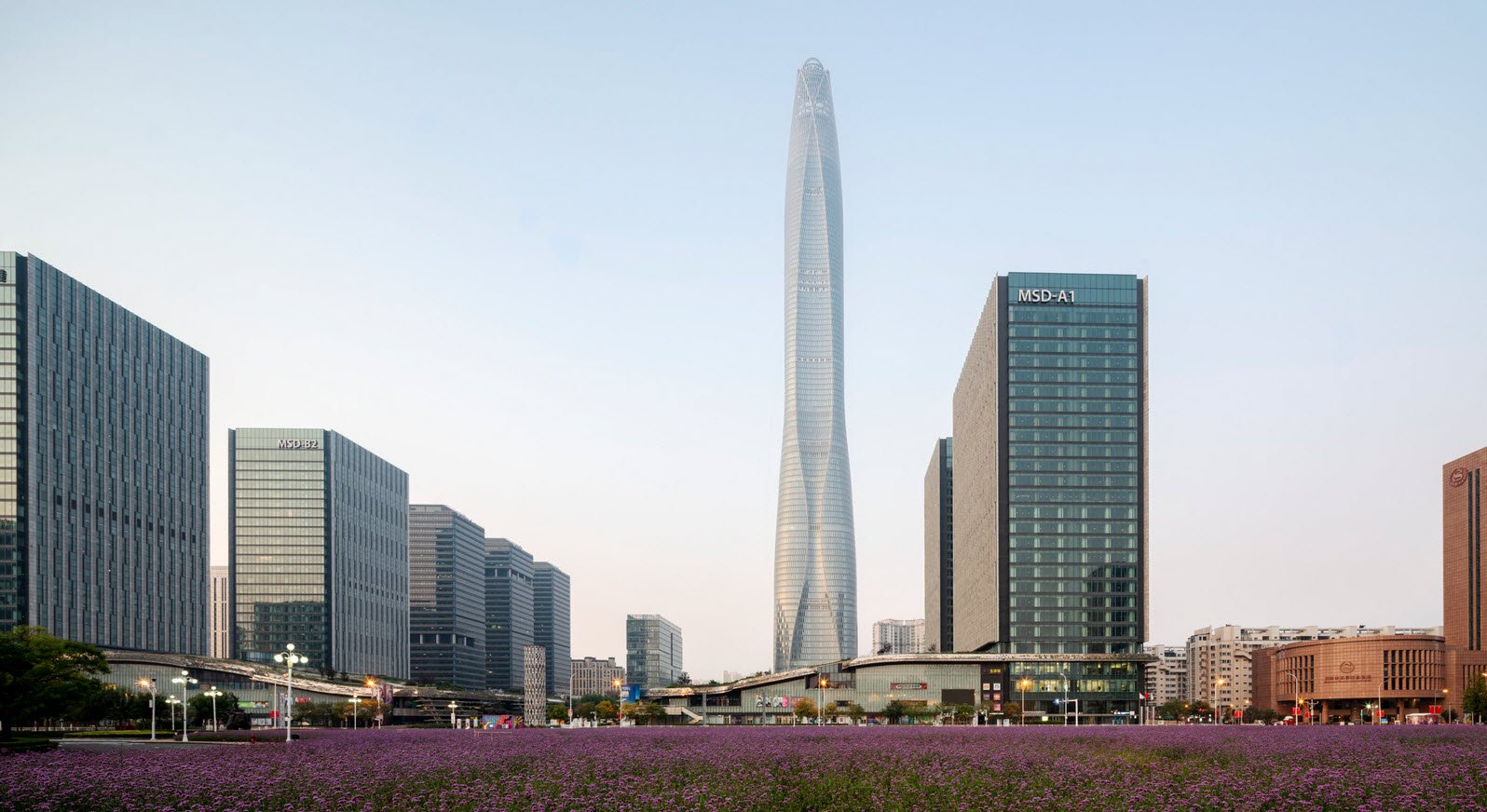
9. Tianjin CTF Finance Centre (530 m) - Tianjin, China
Also standing at 530 meters, the Tianjin CTF Finance Centre is known for its smooth, curved glass exterior that reduces wind resistance.
It serves as a hub for business, residential living, and hospitality.
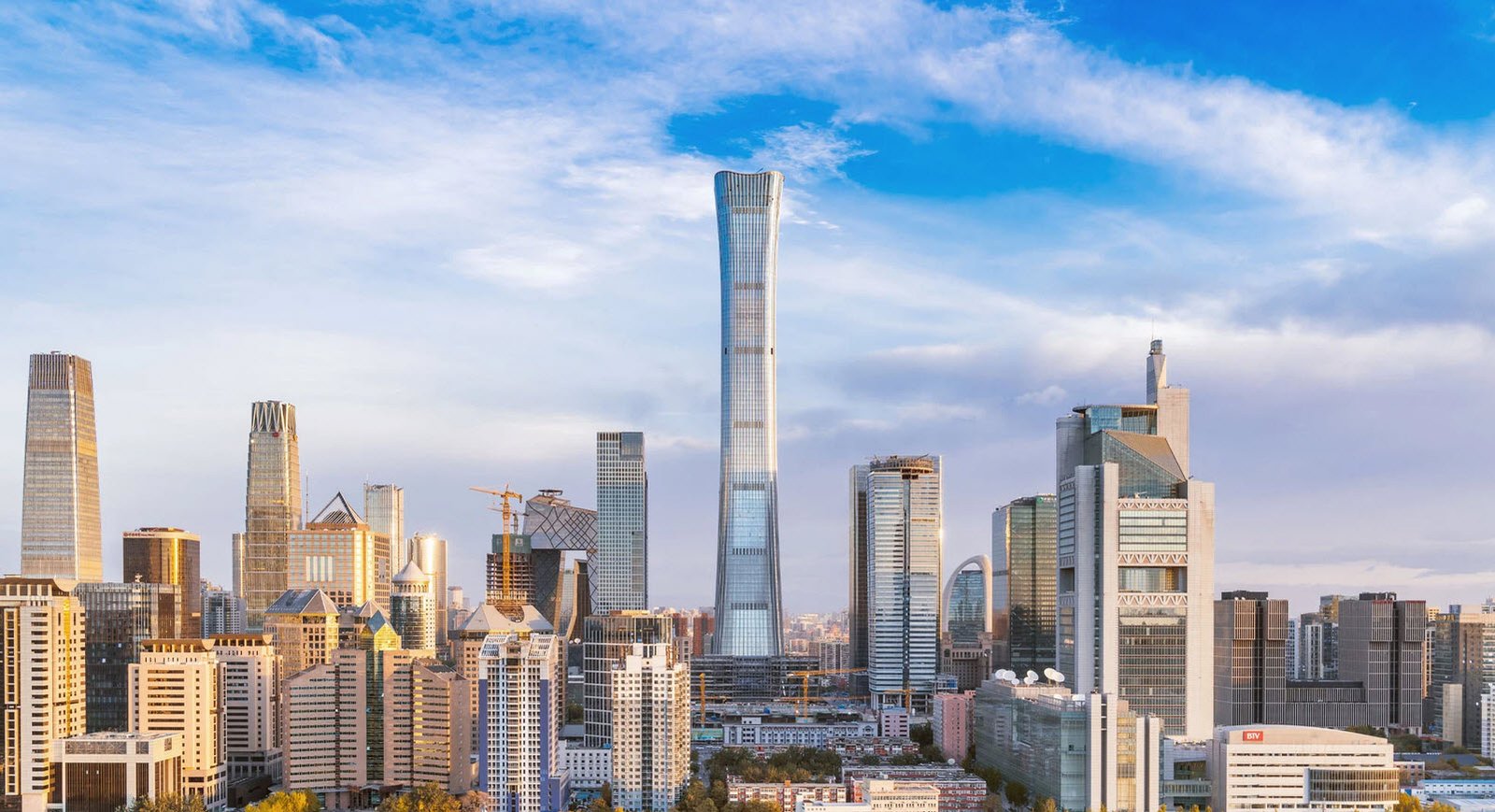
10. CITIC Tower (527.7 m) - Beijing, China
The CITIC Tower, also called China Zun, rises 527.7 meters in Beijing. Its design is inspired by ancient Chinese wine vessels, combining cultural heritage with modern engineering.
It primarily functions as an office building and is a key landmark in Beijing’s financial district.
As technology evolves, the future of skyscrapers looks even more ambitious. Projects like Saudi Arabia’s planned Jeddah Tower aim to exceed 1,000 meters, potentially redefining what’s possible in architecture.
Sustainability will also play a major role, with future buildings focusing on energy efficiency, green materials, and smart technologies.
Conclusion
The tallest buildings in the world are not just feats of engineering—they are landmarks that define cities and inspire innovation. From the iconic Burj Khalifa to the modern Merdeka 118, these skyscrapers showcase humanity’s ability to push boundaries and reach new heights.
As cities continue to grow, we can expect even taller and more advanced structures to emerge, shaping the skylines of tomorrow.
Comments
Comments are closed.


.jpg)